
Shots Or Supplements? Choosing The Right NAD+ Strategy For Energy And Aging
What NAD+ Actually Does And Why People Chase It
NAD+ (nicotinamide adenine dinucleotide) is a molecule your cells use for basic, non-negotiable work, like converting food into usable energy and supporting cellular repair processes. It’s involved in a wide range of metabolic pathways and also appears in conversations about “healthy aging” because it interacts with systems linked to the stress response and cellular maintenance.
The popular storyline goes like this: NAD+ declines with age, so boosting it should help you feel younger. Now, there’s some truth in the first half, but it needs guardrails. In humans, evidence for age-related NAD+ decline is real in some tissues and measurements, but it’s not a universal, “everyone drops in the same way” fact.
So what does all this mean? It means you should treat NAD+ as a support lever, not a magic button.
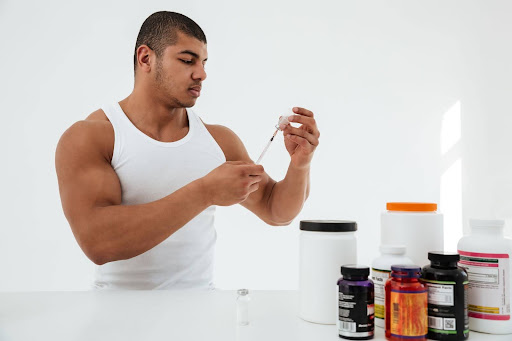
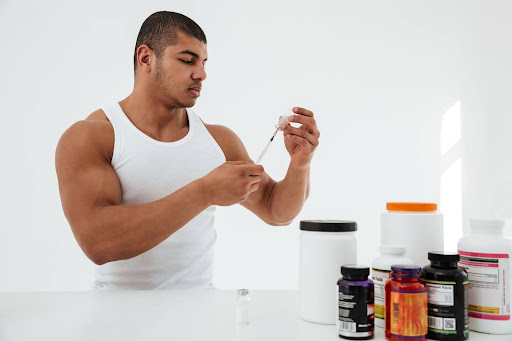
The Difference Between NAD+ Shots vs Supplements
Here’s the simplest way to think about it:
- NAD+ supplements for energy typically aim to give your body building blocks (aka precursors) that can increase NAD-related biomarkers.
- NAD+ injections aim to bypass the digestive route and deliver NAD+ more directly, usually as part of a supervised wellness or fatigue-support plan.
Same headline but different mechanism, evidence, and risk profile. And that’s why the “best choice” depends less on internet enthusiasm and more on your goals, your tolerance for uncertainty, and how much oversight you want built into the process.
What Supplements Do Well
Most of the better-studied oral options are NAD+ precursors, such as nicotinamide riboside (NR) and nicotinamide mononucleotide (NMN). In human studies, NR has been shown to increase NAD+ levels or related biomarkers in blood. Similarly, NMN trial studies in humans show increases in blood NAD and generally good short-term tolerability at the doses studied.
Two crucial caveats keep this honest:
- Raising a blood biomarker is not the same thing as proving a meaningful clinical outcome for fatigue, cognition, or aging in every person. Some reviews note that tissue-level changes and real-world outcomes remain complex and still under investigation.
- Supplements are easier to start and easier to stop, but they’re also easier to overestimate. If you go the supplement route, treat it like a trial you track, not a result you hope for.
What Injections Try To Solve
NAD+ injections (or infusions) are usually marketed as a stronger route for people who want more noticeable effects on energy, focus, or recovery.
The challenge is that the evidence base for NAD+ injection wellness claims is not as well established as that for certain oral precursors that increase NAD+ biomarkers. Reviews and clinician-facing discussions often note that benefits remain uncertain, studies are limited, and safety and effectiveness depend heavily on the medical context and administration.
That doesn’t automatically mean “don’t do it.” It means, if you’re thinking about NAD+ anti-aging therapy through a compounded injectable therapy route, supervision and screening are not optional details. They’re an essential point in the treat.
When A Simple Supplement Might Be Enough
A supplement-first approach is often reasonable when:
- You’re dealing with mild fatigue or “I’m not as sharp as I used to be” feelings, but you’re still functioning.
- You want a low-commitment trial with a clear stop button.
- You’re already doing the boring-but-powerful basics: sleep consistency, protein intake, resistance training, and stress reduction. (If those are missing, nothing else stacks well.)
- You’re willing to track one or two simple markers for four to eight weeks, like afternoon energy crashes, sleep quality, or workout recovery.
But it’s always important to remember that NAD+ supplements for energy are not a replacement for lifestyle. They’re a possible “support tool” layered onto a solid foundation.
A practical way to keep expectations realistic is to ask: “What would ‘helpful’ actually look like for me?” Not “reverse aging.” More like: fewer energy dips, better mental clarity, or steadier recovery. If nothing changes, you stop and reassess.
When NAD+ Injections Might Make More Sense
NAD+ injections can be a more sensible conversation when:
- You’ve tried supplements and lifestyle improvements and still feel persistently run-down.
- You want more structured oversight, including screening for contraindications and a plan for what to monitor.
- You have a clear goal and timeline, like supporting recovery during a demanding season, rather than treating NAD+ as a forever-hack.
- You understand the trade-off: injections may feel more “medical,” but the evidence for broad wellness claims is still emerging, and there are real administration-related risks any time needles are involved.
Considering these factors is when the language around “compounded injectable therapy” matters. Compounded therapies can be legitimate in appropriate contexts, but they also require careful sourcing standards and clinical decision-making, not influencer logic. If you’re considering NAD+ injections, don’t make the decision based on who sounds most confident. Make it based on who asks the best questions.
How To Avoid Hype And Build A Real Plan
NAD+ content tends to swing between two extremes:
It’s either presented as a miracle anti-aging peptide treatment (it isn’t) or it’s dismissed as a scam (it’s more nuanced than that). A grounded plan sits in the middle.
Start With A Reality Check On Fatigue
Fatigue and brain fog can come from a long list of things that NAD+ won’t fix on its own: sleep debt, under-eating protein, overtraining, alcohol, anxiety, iron issues, thyroid issues, medication side effects, depression, and more.
That’s why screening matters. If you skip that step, you risk spending money on the wrong lever and then concluding “nothing works” when the real issue was never NAD+.
Decide What You’re Actually Trying To Improve
Pick one primary outcome and one secondary outcome.
Primary examples:
- Energy stability
- Mental clarity
- Workout recovery
- Sleep quality.
Secondary examples:
- mood consistency
- afternoon crash frequency
- “wired but tired” patterns
Then track them in plain language, not perfect data. A simple 1–10 rating and one sentence per day is enough.
Use NAD+ As A Support Tool, Not A Personality Trait
If a plan relies on you “believing harder,” it’s not a plan. NAD+ anti-aging therapy should be treated like any other intervention: test, track, adjust, stop if it’s not helping, and don’t stack five new variables at once.
What A Telehealth Screening Should Catch
If you’re exploring NAD+ injections or any compounded injectable therapy, a telehealth prescription service should help you slow down and think clearly, not speed you up and sell you hope. A strong screening process typically aims to:
- Clarify your goals and what “success” means in measurable terms.
- Review current medications, supplements, and health history for potential risks or conflicts.
- Set expectations around what’s known, what’s plausible, and what’s still uncertain in human evidence.
- Explain the difference between supplements and injections in plain language, including the trade-offs.
- Make it easy to ask uncomfortable questions, like: “What would make you tell me not to do this?”
That last question is the one most people skip. It’s also the one that tells you if the process is actually patient-led.
Picking The Route That Matches Your Goals, Not The Hype
If you’re choosing between NAD+ supplements for energy and NAD+ injections, the smartest move is to stop asking “which one is better” and start asking “which one fits my situation, my risk tolerance, and my goals.”
ChooseHoney.com supports that decision with a pharmacy-led telehealth prescription service that helps you compare supplement strategies with NAD+ injections and, when appropriate, build a plan around NAD+ anti-aging therapy as a support tool, not a promise. If you’re curious which route makes sense for you, the next step is a consult where you can review your fatigue story, screen for risks, set realistic expectations, and decide whether compounded injectable therapy belongs in your wellness plan.