
Honey’s Has a New Hair Loss Treatment Plan for Men and Women
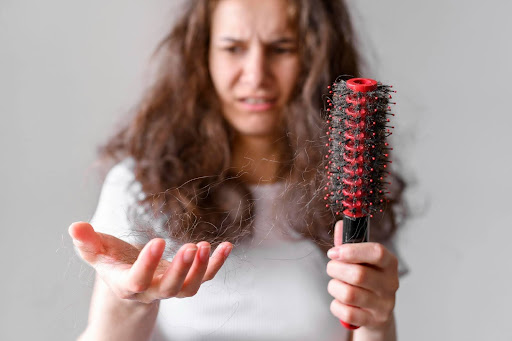
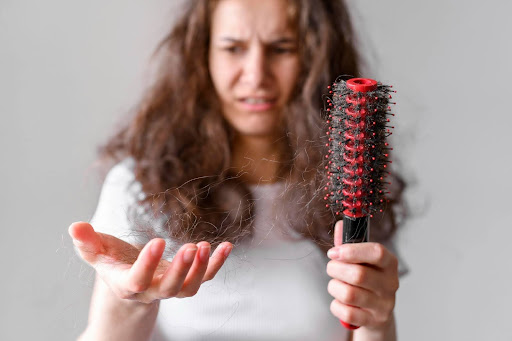
Hair loss is one of those ‘slow-burn’ problems. It starts as “maybe my part looks wider” or “my hairline’s just… maturing,” and then one day you’re taking photos under a bright bathroom light like you’re documenting a crime scene.
The tricky part is that hair loss doesn’t show up the same way for everyone. Men and women tend to lose hair in different patterns, for various reasons, and that changes what treatment makes sense. The good news is that prescription options like finasteride and minoxidil are well-studied, widely used, and often effective when matched to the right person and the correct type of hair loss.
This post breaks down what’s actually happening when hair starts thinning, how telehealth hair regrowth treatment works, and what to expect from an online visit with ChooseHoney.
Why Men’s and Women’s Hair Loss Don’t Look the Same
Most people picture hair loss as the “classic” male pattern: a receding hairline, thinning at the crown, or both. That pattern is commonly driven by androgens (especially DHT) acting on genetically sensitive hair follicles, which causes them to miniaturise over time.
Women can get androgen-related thinning too, but it often shows up as diffuse thinning over the top of the scalp or along the part line, without the same sharp recession at the temples. And while genetics and hormones play a role, women are also more likely to have other contributing factors that they need to rule out before pursuing a hair loss treatment.
For both men and women, “hair loss” is a bucket term. The big question is what type.
The Most Common Causes Of Hair Loss
A lot of online hair loss treatment conversations assume androgenetic alopecia by default. That’s often correct, but it’s not the only option.
Here are some of the most common reasons people notice shedding or thinning:
- Androgenetic alopecia (male or female pattern hair loss): Gradual thinning that follows a fairly predictable pattern, often starting in the 20s–40s, and progressing over time.
- Telogen effluvium: A spike in shedding that happens after stressors like illness, significant life stress, rapid weight loss, postpartum shifts, surgery, or certain medications; it can look dramatic but may be reversible once the trigger is addressed.
- Nutrient deficiencies: Low iron stores (ferritin), low vitamin D, or low protein intake can contribute to shedding or poor hair quality.
- Thyroid issues: Both hypo- and hyperthyroidism can affect hair growth cycles.
- Hormonal conditions: PCOS and other endocrine issues can drive androgen-related thinning in women.
How Women’s Hair Thinning Is Different
Women often arrive at hair loss treatment with a different emotional load, and sometimes a distinct clinical picture, which can be divided into two key differences:
- Women’s thinning is more likely to be dismissed as “stress” or “age” without a real workup, even when something treatable is driving it.
- Some treatment options require extra caution due to pregnancy-related risk and hormone considerations.
That doesn’t mean there are no options for women. It means women deserve actual clinical screening, not a rushed “try this foam and good luck” plan.
How Finasteride Works For Men’s Hair Loss Treatment
Finasteride is a prescription medication that blocks Type II 5-alpha-reductase, the enzyme that converts testosterone into DHT. By lowering DHT levels, it helps slow the miniaturisation process that drives male pattern baldness. Finasteride (1 mg) is FDA-approved for this purpose.
A few practical points that matter in real life:
- Finasteride is about stopping progression and preserving hair as much as regrowing it. Some men do see thickening, but the “win” is often stabilisation.
- It’s not instant. Hair growth cycles are slow. Most people need months of consistent use before they can judge results.
- If you stop, you typically lose the benefit over time because the underlying sensitivity to DHT hasn’t changed.
The best approach to treatment, then, is to start early. Waiting until the hairline has fully retreated is like calling the fire department after the house has finished burning down.
How Minoxidil Works For Men And Women
Like Finasteride, topical minoxidil is FDA-approved for treating androgenetic alopecia in men and women. Minoxidil’s exact mechanism of action in hair growth isn’t fully understood, but it’s commonly known to help by supporting follicles in the growth phase (anagen) and increasing hair diameter over time for some users.
What people should do before they start using it:
- Consistency matters more than optimism. Minoxidil only works while you use it.
- Some people experience an initial shedding phase when starting. This can be alarming, but it can happen as follicles shift into a new growth cycle. If someone’s already anxious about hair loss, this is where “don’t panic” becomes a clinical feature.
- Scalp irritation can happen, especially with certain formulations. If your head starts feeling like it’s auditioning for a sandpaper commercial, it’s worth talking to a clinician about options.
Since both men and women can use minoxidil, it’s often a first-line option for women’s hair thinning, particularly when the pattern fits the female pattern of thinning.
When Online Combination Therapy Makes Sense
Some people do well starting with a single therapy, especially if they’re in early stages or want to minimise variables. But a combination therapy can also make sense when:
- The pattern strongly suggests androgenetic alopecia, and the goal is to both slow loss and support regrowth.
- There has already been progression, and the person wants a more aggressive “preserve + thicken” approach.
- Someone has used minoxidil alone with limited improvement and wants to add a DHT-targeted option (commonly for men, depending on clinical fit).
- Clinical literature and dermatology education sources commonly note that finasteride can be combined with topical minoxidil to improve efficacy in male androgenetic alopecia.
That said, combination therapy is just a strategy; the goal is a plan you can follow consistently, not a “medicine stack” you abandon after six weeks.
Why Pharmacy-led Telehealth Matters For Hair Loss Care
While hair loss treatment often seems “simple,” it still requires prescription medication for a chronic, long-term condition. That’s where pharmacy involvement changes the experience.
A pharmacy-led model can help support your treatment process in the following ways:
- Medication safety and screening– Especially around contraindications, interactions, and special considerations.
- Clear education on what to expect– Hair regrowth timelines, initial shedding, side effects, and what “normal” looks like matter more than people think.
- Continuity– The best results usually come from staying consistent over time, which requires an approach that feels manageable and monitored, not random.
This treatment approach, paired with online care, can often be better than traditional care due to access. People put off air loss treatment for months or years because booking an appointment feels like a hassle, or because they don’t want to explain it face-to-face. Online visits remove that friction without removing clinical oversight.
Setting Realistic Expectations
Hair loss treatment is not a weekend project, and too many may quit before it can actually work. Most people need a few months to judge progress, and meaningful cosmetic changes can take longer, depending on the individual and the therapy.
Consistency is the whole game, and stopping early is the most common reason people decide a treatment “doesn’t work. A better mindset is: you’re not forcing hair to grow, you’re giving follicles a better environment to stay active and produce stronger hair over time.
A Practical Next Step With ChooseHoney
If you’ve been noticing thinning, widening part lines, or a hairline that’s retreating faster than your patience, an online hair loss visit can be a straightforward next step. ChooseHoney’s new hair loss plan is built to make treatment feel clear and clinically guided: you complete an intake, meet with a licensed provider, and, if you’re eligible, receive a personalised prescription plan delivered to your door through a pharmacy-led telehealth prescription service.
It’s a straightforward path to men’s hair loss treatment or support for women’s hair thinning, without long waitlists or turning your health into a DIY experiment.
(OPTIONAL Medical disclaimer: This article is for general educational purposes. Always consult a licensed clinician for diagnosis and treatment options.)